How is drywall installed for smooth, durable walls and ceilings for Drywall Installation?
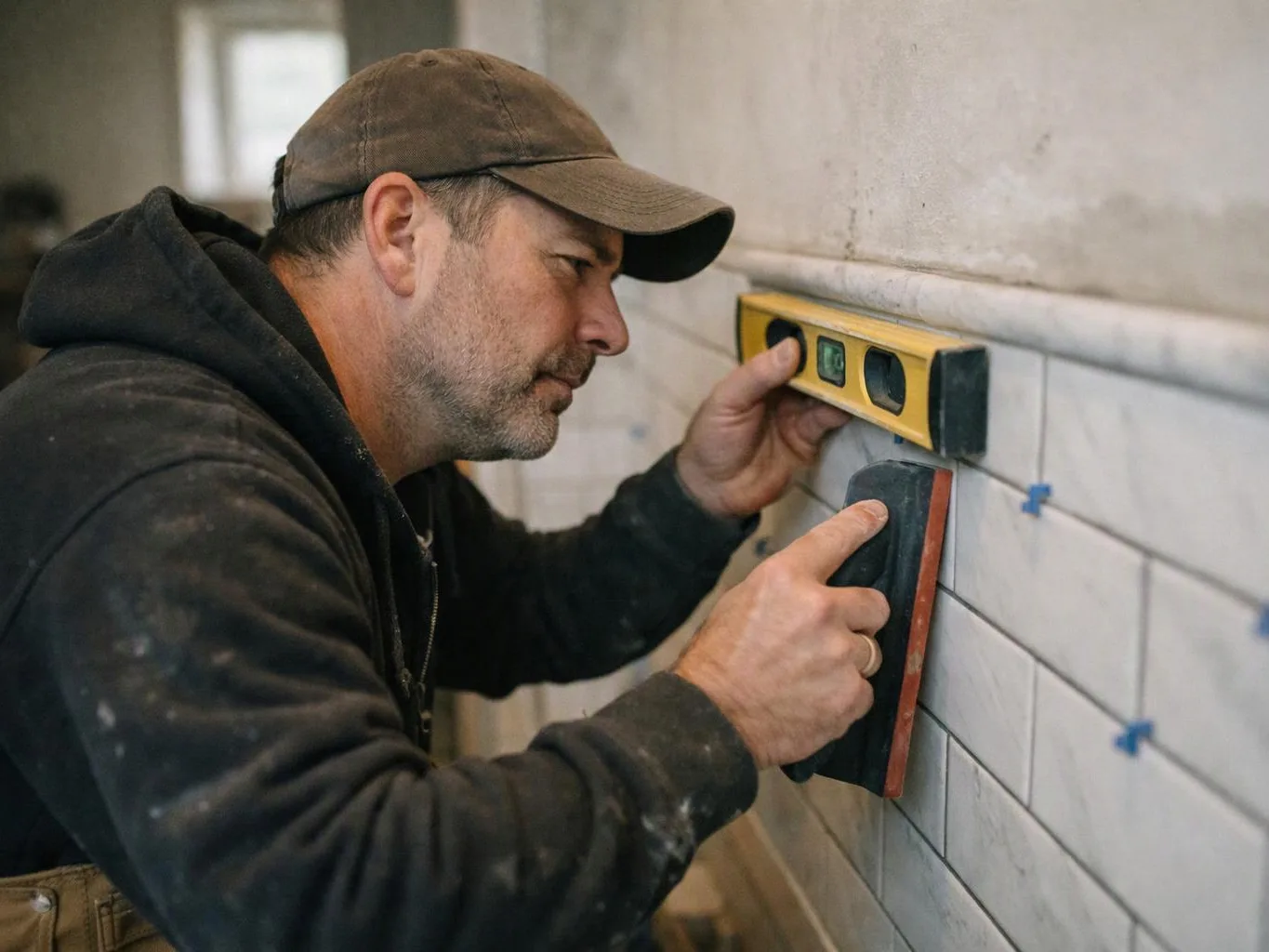
Joint tape is checked after seams receive compound, so the finished surface can stay smooth and durable. Panels are aligned and secured with drywall screws before the seams are treated. Corner bead protects outside corners, and sanding removes ridges before paint. The final review checks screw marks, gaps, edges, and transitions across the wall or ceiling.
What details should I confirm before approving drywall work?
The work scope should identify the panels, openings, corner treatment, joint finish, and final surface standard. Room use also matters because offices, tenant spaces, and homes may have different access needs. Ask how related lighting, fixtures, cabinets, and trim will meet the new wall. Those details help prevent changes after the surface is closed.
Which site conditions can change the installation plan?
Existing framing, damaged panels, tight access, unfinished openings, and layout changes can alter the installation plan. We check the wall and ceiling surfaces before choosing a repair or replacement approach. Hidden work near fixtures or service points also affects panel placement. The consultation identifies those conditions before the quote is prepared.
When should I choose new panels instead of a small repair?
New panels fit broader damage, major layout changes, or surfaces with several failing seams. A small repair may suit one limited defect when the surrounding wall remains sound. We inspect the damaged area and nearby joints before setting the scope. In a larger remodel, replacement often keeps the new layout and finish consistent.
Why do corner bead and joint compound matter?
Corner bead protects outside corners, while joint compound builds a smooth transition over seams and fasteners. Both parts affect how the wall looks after paint. Poor corner alignment or heavy compound can leave ridges that show through the finish. We check corners and joints during sanding so the surface is ready for the next trade.
How does the room layout guide panel placement?
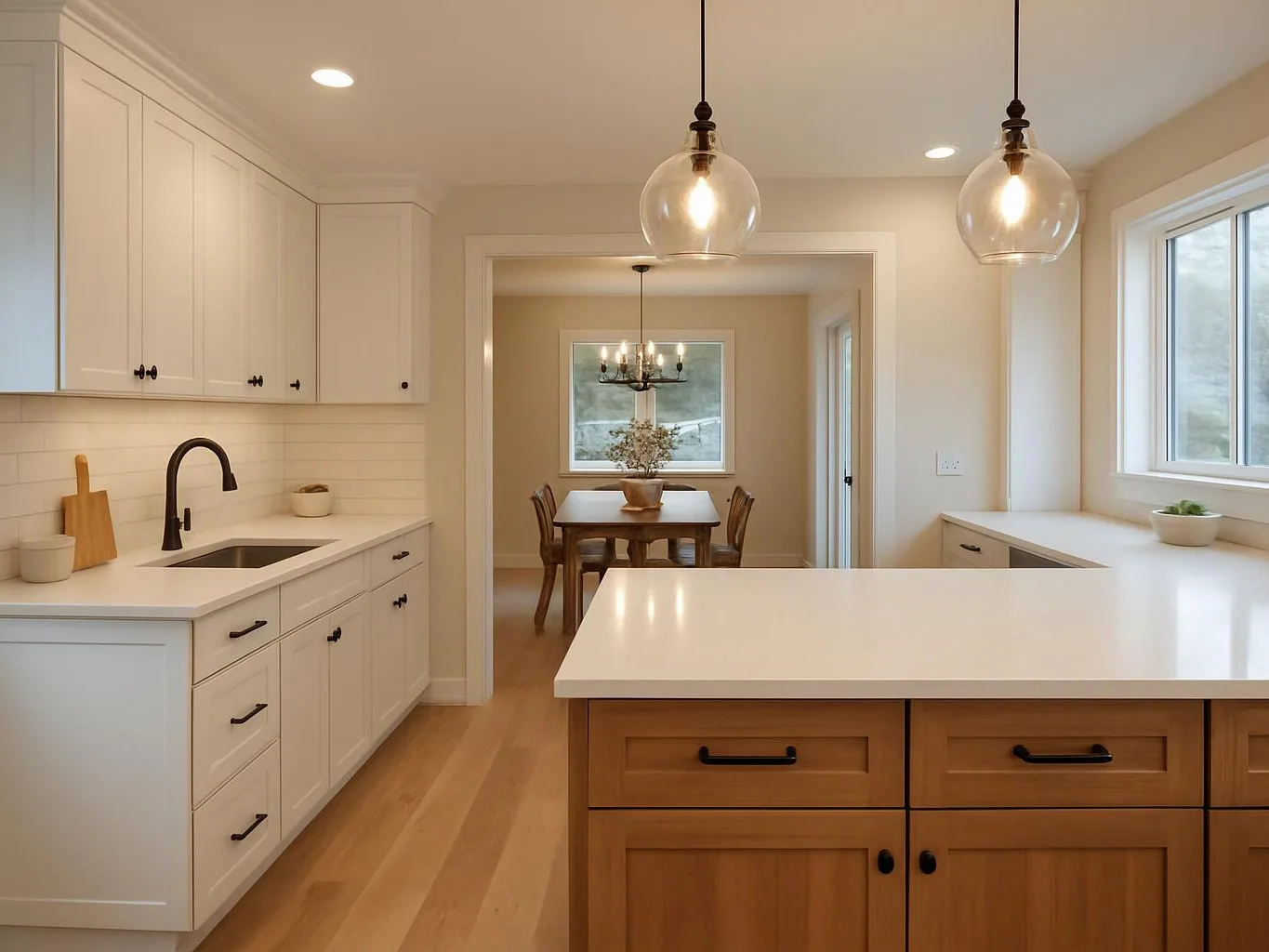
Room layout guides panel seams around doors, windows, cabinets, outlets, switches, and ceiling changes. We review those points before placing sheets, because a seam in the wrong spot can complicate trim or later finish work. The planned layout also helps coordinate drywall with lighting, fixtures, flooring, and other remodeling tasks.
What changes the quote for a drywall project?
Access, panel quantity, existing surface condition, layout changes, corner details, and the requested finish change the quote. Related work can also affect the scope when lighting, fixtures, cabinets, or trim must move. We discuss those factors during a free consultation and prepare the quote around the work your property needs.